
5 Things to Check When Your Washing Machine Won’t Drain
Before attempting any checks, switch off the washing machine and disconnect it from the electrical supply. If water is leaking near electrical connections, avoid touching the appliance and seek professional assistance.
Always follow the manufacturer’s instructions for your model.
1. Check for a Blocked Pump Filter
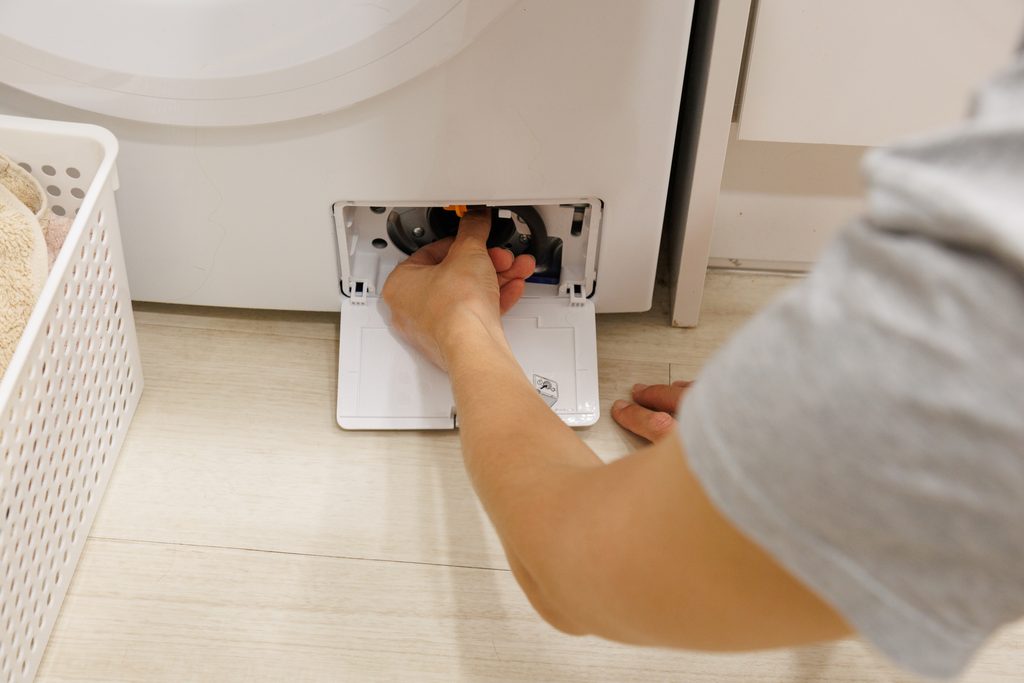
Many front-loading washing machines have an accessible pump filter near the bottom of the appliance.
Coins, hair clips, lint and other debris can collect here, restricting water flow.
If your machine has a user-accessible filter:
- Locate it using the appliance manual.
- Allow hot water to cool before opening it.
- Prepare towels and a shallow container.
- Follow the manufacturer’s instructions for draining residual water.
- Clean the filter if the manual permits it.
- Refit it securely before restarting the machine.
A considerable amount of water may escape when opening a blocked filter. If you cannot safely drain the machine, don’t force it open.
Not every washing machine has a user-serviceable filter.
2. Inspect the Drain Hose
The drain hose carries wastewater into the household drainage system.
If it becomes kinked, crushed or obstructed, water may struggle to leave the drum.
Where safely accessible, check whether the hose has become trapped behind the appliance or bent sharply.
Avoid moving a heavy washing machine without assistance, as this can damage connections or cause injury.
3. Look for Household Drainage Problems
Sometimes the washing machine isn’t responsible for the drainage issue.
A blockage in the household waste pipe may prevent water from flowing away.
Warning signs include:
- Water backing up into the sink.
- Gurgling noises from nearby drains.
- Wastewater overflowing from the standpipe.
- Other fixtures draining slowly.
If several drains are affected, the problem may be within the property’s plumbing.
Avoid pouring chemical drain cleaners into the washing machine or its hoses.
4. Check the Programme & Error Codes
Some washing machines have settings that deliberately leave water in the drum, such as rinse-hold programmes.
Check that the selected programme has finished and isn’t waiting for another instruction.
If your model offers a separate drain programme, consult the manual before using it.
Also check for error codes. Their meanings vary by manufacturer, and they don’t always identify the exact faulty component.
5. Consider a Faulty Drain Pump
If the filter, hose and external drainage appear clear, the problem could involve the drain pump.
The pump moves wastewater out of the drum. If damaged, obstructed or electrically faulty, the machine may struggle to empty.
Possible symptoms include:
- Humming or buzzing without water draining.
- Little or no sound when the pump should operate.
- Water remaining after a completed programme.
- Repeated drainage-related error codes.
These symptoms don’t automatically mean the pump needs replacing. Other faults can behave similarly.
Pump testing and replacement should be left to a competent appliance repair professional.
What If Your Washing Machine Still Won’t Drain?
If you’ve completed the appropriate checks and water remains in the drum, avoid repeatedly running wash cycles.
Before contacting a repair specialist, note:
- The washing machine’s make and model.
- Any error codes.
- When the problem occurs.
- Unusual noises or leaks.
- Whether drainage fails every time or intermittently.
These details can help an engineer understand the symptoms before assessing the appliance.
How to Help Prevent Washing Machine Drainage Problems
Not every drainage fault can be prevented, but good maintenance may reduce avoidable blockages.
Check Pockets Before Washing
Remove coins, tissues and small objects that could become trapped inside the appliance.
Clean Accessible Filters When Recommended
Follow the manufacturer’s maintenance instructions to prevent lint and debris building up.
Avoid Overloading the Drum
Follow the recommended load capacity to reduce unnecessary strain on the appliance.
Use Detergent Correctly
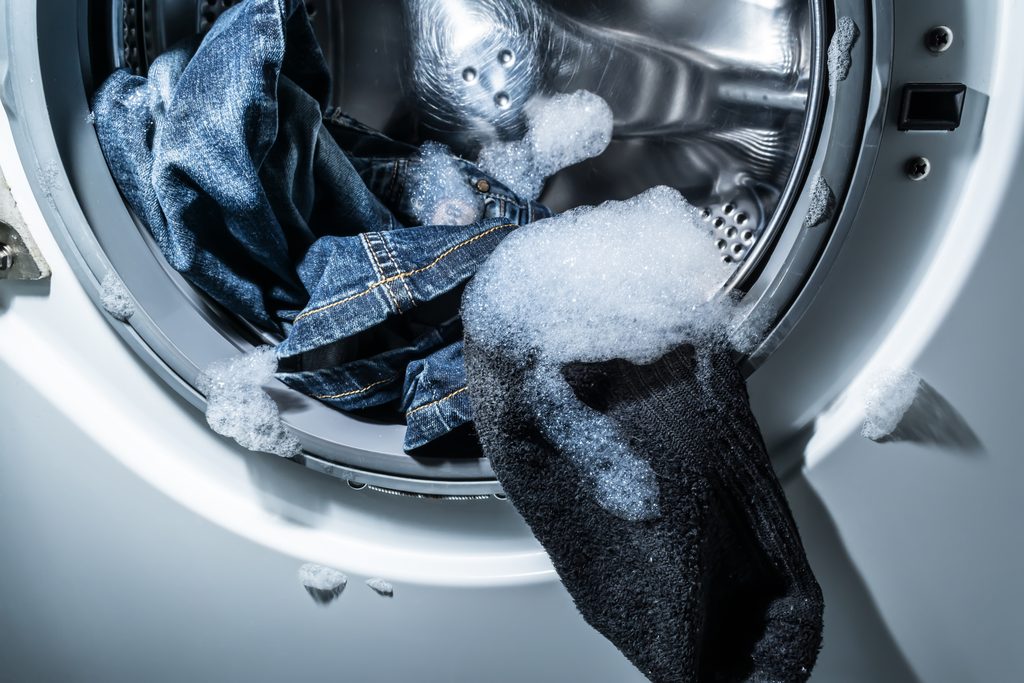
Excess detergent can contribute to foam and residue. Follow the recommended dosage.
Pay Attention to Warning Signs
Investigate slow drainage, unfamiliar noises or recurring error codes before the problem becomes more disruptive.
Frequently Asked Questions About Washing Machine Drainage
Why Is My Washing Machine Full of Water After a Wash?
Water remaining in the drum may indicate a blocked filter, obstructed drain hose, household drainage problem or pump fault. Some programmes also hold water intentionally. Check the settings and manufacturer’s instructions first.
Can a Blocked Filter Stop a Washing Machine From Draining?
Yes. Trapped lint, coins or debris can restrict water flow. If your appliance has a user-accessible filter, follow the manual’s instructions to inspect and clean it safely.
Why Is My Washing Machine Humming but Not Draining?
The drain pump may be attempting to operate while a blockage or fault prevents water from moving. If basic checks don’t resolve the issue, professional diagnosis is advisable.
Can I Run a Spin Cycle if My Washing Machine Won’t Drain?
Not necessarily. Many machines won’t spin properly while excess water remains. Check the manual for a suitable drain programme, but avoid repeatedly restarting the appliance if the fault persists.
Is It Worth Repairing a Washing Machine That Won’t Drain?
Often, yes. Some drainage problems involve blockages or replaceable components. Whether repair is worthwhile depends on the fault, appliance age and overall condition.
Need Help With a Washing Machine That Won’t Drain?
If your washing machine still won’t empty after the appropriate checks, professional assessment may be the next step.
At Fridge Centre, we’ve been helping customers with domestic appliances since 1993. Our family-run team supports homeowners, tenants, landlords and property managers with appliance problems.
Explore our domestic appliance repair services or contact Fridge Centre to discuss your washing machine fault.